
Commercial Electrical Safety: Your Guide to EICR Compliance and Risk Reduction
For any business owner, ensuring the safety and operational continuity of your commercial property is paramount. Just as you maintain fire safety and secure your premises, the electrical installation requires vigilant attention. An Electrical Installation Condition Report (EICR) is not just a bureaucratic requirement; it is a critical tool for safety, compliance, and preventing costly business downtime. This comprehensive guide will walk you through the necessity of a commercial EICR, detailing its importance for legal compliance and the long-term health of your electrical system.
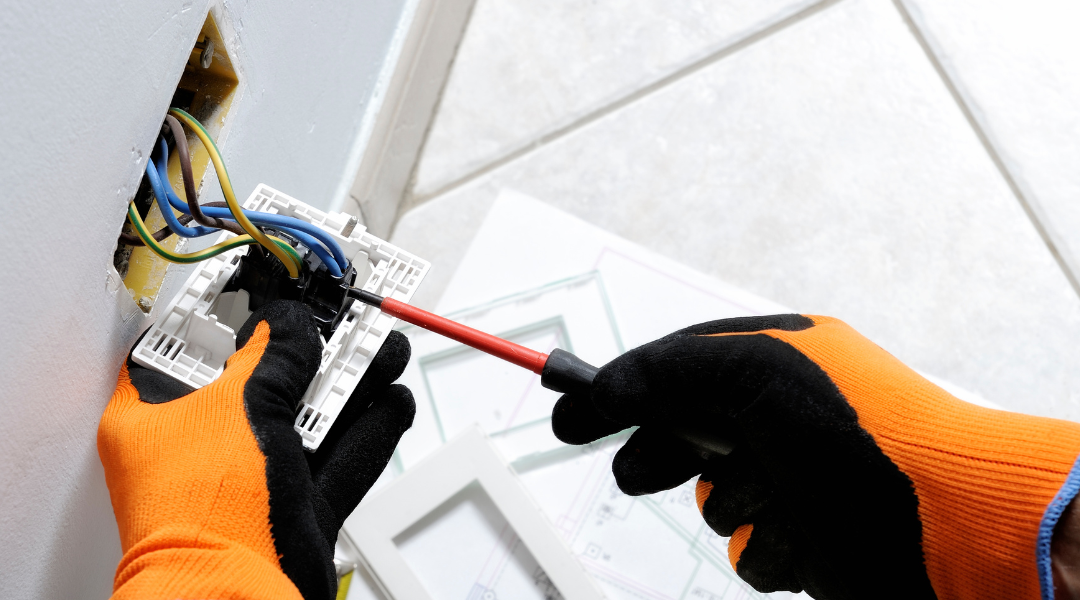
The Critical Role of a Commercial EICR
A commercial EICR is a formal document produced after a detailed inspection and testing of the electrical installation in your business premises. It is conducted by a qualified, competent person and is designed to assess the ‘in-service’ condition of the electrics against the current UK safety standard (BS 7671).
The inspection covers various aspects, including the consumer unit/distribution board, wiring, sockets, light fittings, and earthing arrangements. The report will identify any damage, deterioration, defects, and non-compliances which may give rise to danger.
Why Electrical Compliance Business Must Prioritise EICRs
Ignoring the condition of your electrical system is a risk no business can afford to take. The consequences of an untested system can be severe:
Safety Hazards: Faulty wiring or overloading can lead to electrical fires, electric shocks, and serious injury to employees, customers, or tenants. The EICR provides peace of mind that your installation is safe.
Legal and Insurance Compliance: The Electricity at Work Regulations 1989 requires employers to ensure electrical systems are maintained to prevent danger. Failing to have a valid EICR can invalidate your commercial insurance policy and expose your business to legal penalties, particularly in the event of an electrical incident.
Preventing Downtime: Undetected electrical faults are a major cause of unexpected power outages and equipment failure. A commercial EICR helps you identify and rectify these issues proactively, saving you significant costs and avoiding disruption to your operations.
EICR Requirements for Commercial Buildings UK: Frequency and Scope
A common question is: how often do businesses need an EICR? Unlike domestic properties which typically require one every 10 years, commercial electrical safety inspections are generally required more frequently due to higher usage, complex systems, and greater risk.
While the exact interval depends on the type of business, environment, and age of the installation, general guidance suggests:
Offices, Shops, and General Commercial Premises: Recommended every 5 years.
Industrial Premises (e.g., Factories, Warehouses): Recommended every 3 years.
Leisure and Entertainment Venues: Can be as frequent as every 1 to 3 years.
Properties with high levels of public access or special installations: May require annual inspections.
The electrical compliance business carrying out the inspection will advise on the next recommended test date, which is indicated on the EICR form.
Understanding the EICR Outcome
After the inspection, the electrician will issue the report, classifying any observations using standardised codes:
C1 (Danger Imminent): Immediate remedial action is required as there is a risk of injury.
C2 (Potentially Dangerous): Urgent remedial action is required.
C3 (Improvement Recommended): While not immediately dangerous, improving this area would enhance safety and compliance.
FI (Further Investigation Required): More testing or inspection is needed before the installation's condition can be fully determined.
A satisfactory EICR will have no C1 or C2 observations. If your report contains C1 or C2 codes, it is a legal requirement to have the necessary remedial work completed by a competent person as soon as possible to ensure full commercial electrical safety inspections compliance.
Taking the Next Step
Proactive maintenance of your electrical system is a crucial part of running a successful business. By prioritising a commercial EICR, you are investing in the safety of your people, the protection of your assets, and the longevity of your business. For guidance on how often do businesses need an EICR, or to schedule your next commercial electrical safety inspections, get in touch today.
Frequently Asked Questions
-
The duration depends entirely on the size and complexity of the installation, ranging from a few hours for a small unit to several days for a large industrial property. The process often involves some planned temporary power disruption.
-
For owner-occupied commercial premises, the owner is responsible. In the case of rented properties, the responsibility is usually defined in the lease agreement, often falling to the landlord for the fixed installation and the tenant for any specific additions.
-
If the EICR contains C1 or C2 fault codes, the installation is deemed unsafe. You must hire a qualified electrician to carry out the remedial work to resolve these issues and issue an updated Electrical Installation Certificate or Minor Works Certificate to confirm compliance.
-
New installations will be covered by an Electrical Installation Certificate (EIC). However, the EICR clock starts ticking from the date of the EIC, and an EICR will be required at the recommended interval thereafter (e.g., 5 years for an office).