
A Strategic Guide to Commercial Smart Lighting
In the modern workplace, a building is more than just a structure; it is an environment designed to foster creativity, collaboration, and output. While many focus on ergonomic furniture and technology, one of the most transformative yet overlooked elements is lighting. The aim of this article is to discuss how modern smart lighting systems can transform commercial environments, improving energy efficiency, occupant comfort, and overall productivity while creating adaptable ambiance. Implementing commercial smart lighting is no longer a luxury but a strategic investment that can redefine the success of a business.
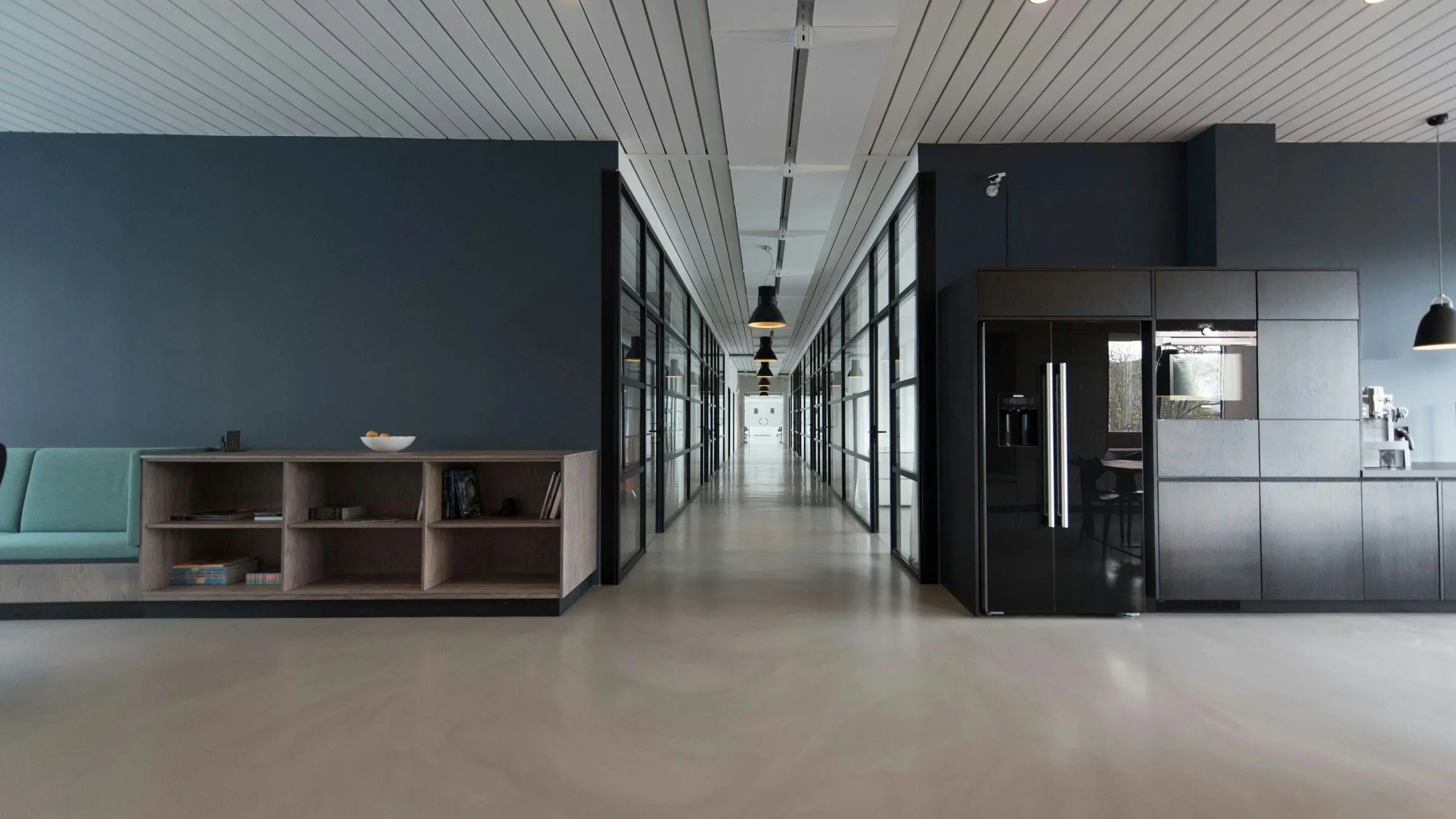
The Strategic Advantages of Office Lighting Automation
Office lighting automation uses intelligent controls to manage light levels based on occupancy, natural light availability, and pre-set schedules. This move from static, one-size-fits-all lighting to dynamic, responsive systems delivers substantial benefits.
Enhanced Energy Efficiency and Cost Savings
Traditional commercial lighting is a significant drain on energy resources. Smart systems directly address this by ensuring lights are only on when and where they are needed.
Daylight Harvesting: Sensors detect the amount of natural light entering a space and automatically dim or turn off artificial lights, drastically reducing consumption during the day.
Occupancy and Vacancy Sensors: Lights switch on when a room is entered and off when it is empty, preventing wasted energy in unoccupied areas like meeting rooms or storage cupboards.
Scheduling and Zoning: Automated schedules ensure lights are off outside of business hours, and zoning allows for tailored control in specific areas, leading to significant energy-efficient commercial lighting solutions.
Improving Occupant Comfort and Productivity
The quality of light directly impacts employee well-being and performance. Poor lighting can cause eye strain, fatigue, and a dip in concentration.
Tunable White Technology: This allows the colour temperature of the light to be adjusted throughout the day to mimic natural daylight cycles (circadian lighting). Cooler, brighter light can be used in the mornings to boost alertness, transitioning to warmer, softer light in the late afternoon. This contributes greatly to the benefits of smart lighting in workplaces.
Personal Control: Smart lighting can give employees limited control over the light level in their immediate area via an app or control panel, catering to individual preferences and task requirements.
Eliminating Glare and Hotspots: Sophisticated controls ensure light is distributed evenly, creating a more comfortable and visually appealing environment.
Creating Adaptable Ambiance and Space Utility
Commercial spaces need to be flexible. A single room might serve as a meeting space, a presentation theatre, or a quiet focus area at different times.
Scene Setting: Smart lighting systems allow for pre-programmed lighting 'scenes'. With a single tap, the lighting for a formal client meeting can instantly switch to a relaxed setting for a team lunch, offering superior automated lighting for office buildings.
Architectural Enhancement: Lighting can be used creatively to highlight architectural features, branding, and artwork, enhancing the professional image of the commercial space.
Integration with Other Systems: Smart lighting integrates seamlessly with building management systems (BMS), HVAC, and AV equipment, creating a unified and highly intelligent workspace.
Moving Beyond Standard Lighting
The decision to install smart lighting is a foundational step toward a future-proof, sustainable, and productive commercial environment. By choosing professionally installed and integrated systems, businesses can unlock the full potential of light as a tool for efficiency and well-being. Don't let your commercial space be dimmed by outdated technology.
If you are looking to install or upgrade to a state-of-the-art commercial smart lighting system, our team of experts can design a bespoke solution for your needs. Get in touch today for a consultation and a site survey to start experiencing the benefits of smart lighting in workplaces.
Frequently Asked Questions
-
The main benefits include significant energy savings through automation, improved employee productivity and well-being due to tunable white light, and the ability to instantly adapt the lighting ambiance for different uses.
-
Tunable white lighting allows the user to change the colour temperature of the light from warm (yellowish) to cool (bluish) white. In commercial settings, this is used to support the human body's natural circadian rhythm, boosting alertness during the day.
-
Yes, for complex commercial systems, professional installation is crucial to ensure correct sensor calibration, integration with existing BMS, and optimal configuration of zoning and scene settings. This guarantees the highest level of efficiency and security.
-
Modern smart lighting systems are designed for seamless integration. Many systems use Power over Ethernet (PoE) or dedicated sub-networks, which can often be managed alongside your main IT infrastructure, offering centralised control for energy-efficient commercial lighting solutions.