
Powering Your Home: Integrating Solar Panels with EV Charging for Maximum Savings
For the modern homeowner, achieving energy independence is becoming a priority. The combination of installing solar panels and owning an Electric Vehicle (EV) presents the perfect opportunity to drastically cut down on electricity bills and reduce your carbon footprint. This guide aims to show homeowners the benefits and practicalities of integrating solar panel systems with home EV charging solutions to maximise energy independence and reduce electricity costs. By understanding how to effectively integrate a solar PV system with a home charger, you can harness the sun's power to fuel your vehicle and your home, achieving true renewable home energy and ensuring your solar EV charging home setup works for you.
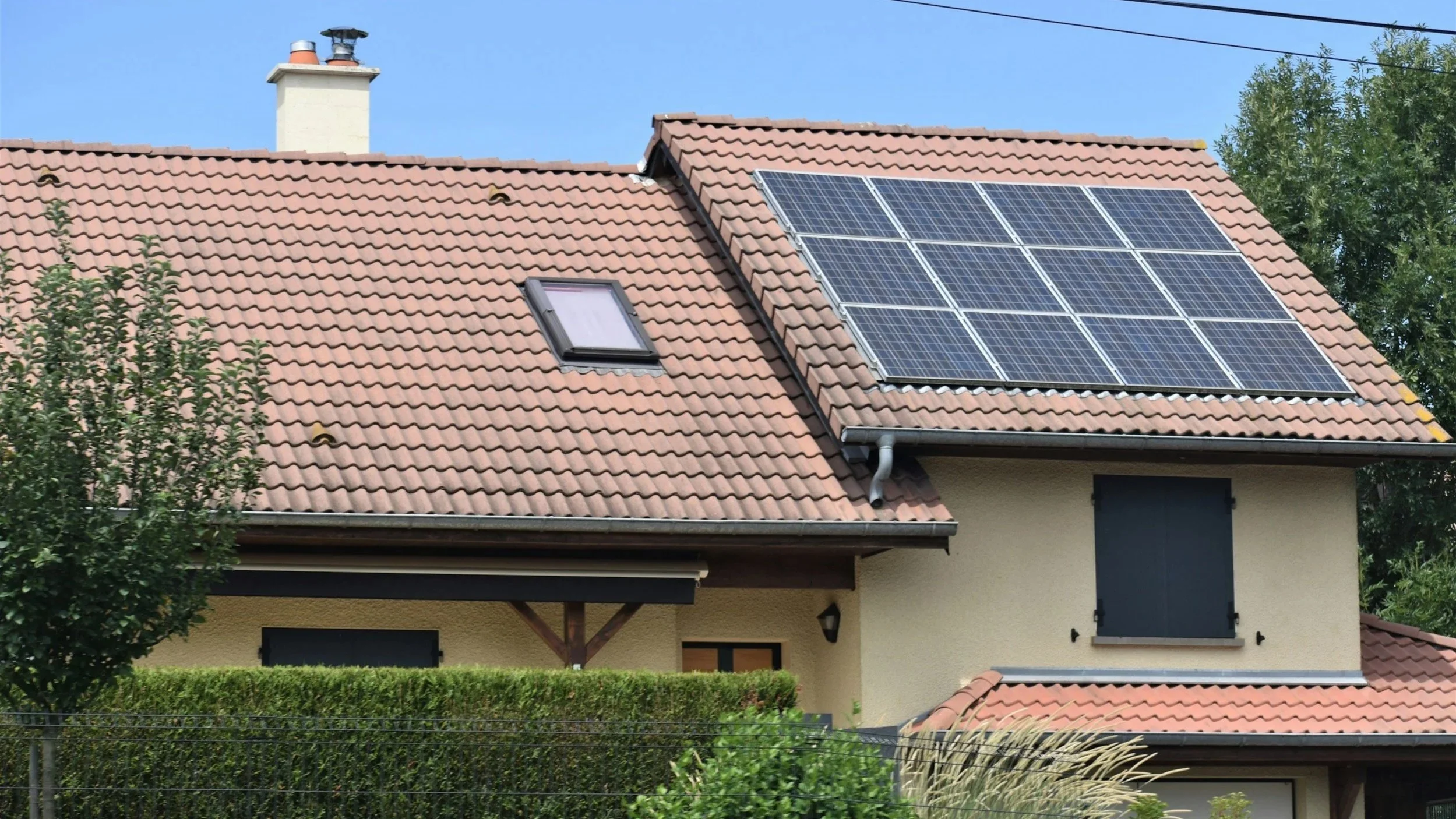
The Synergy of Solar and Electric Vehicles
The primary challenge for EV owners is the cost and source of the electricity used to charge their vehicle. Relying solely on grid power means your "fuel" costs are subject to volatile energy prices. This is where a solar PV system provides a powerful solution.
A well-sized solar installation generates clean, free electricity during the day, which can be directly used to power your home and charge your EV. This not only significantly reduces your domestic electricity consumption but also transforms your vehicle's running costs, making a compelling case for maximise home energy savings with solar.
Practical Integration: How to Connect Solar Panels to EV Charger
Integrating your solar system with your EV charger is essential for efficiency. This process revolves around smart energy management to ensure the electricity generated is used optimally before drawing power from the grid.
Smart EV Chargers: Modern EV chargers are essential for solar integration. They are designed to communicate with your solar inverter and energy management system. They can be programmed to prioritise charging the EV only when the home's solar generation exceeds its immediate consumption—a process that ensures you are using your own free solar energy first. This is a core element of how to connect solar panels to EV charger for maximum financial benefit.
Battery Storage: While solar panels generate power during the day, most EV charging happens overnight. Integrating a home battery storage system captures excess solar energy generated during the day, storing it for use in the evening. This stored energy can then power your home and your EV during peak-rate periods, guaranteeing energy independence 24/7.
System Sizing: For a homeowner, it is crucial to properly size your solar system to cover both your average home consumption and your estimated EV charging requirements. An installer will assess your vehicle mileage and charging habits to recommend a system that meets your needs and allows you to enjoy the full benefits of home solar and EV.
Maximising Your Energy Savings
Implementing a holistic solar and EV charging strategy involves more than just installation; it requires smart usage to achieve peak efficiency and cost savings.
Timed Charging: Utilise 'off-peak' tariffs if you have a battery or if your solar generation is low. However, with a smart solar integration, you should always prioritise charging during the day when the sun is shining.
Feed-in Tariffs (FiT): Any excess energy generated by your solar system, which isn't used by your home or your EV, can be exported back to the national grid, earning you credit through a FiT or similar scheme. This provides a financial return on your investment, contributing further to maximise home energy savings with solar.
Remote Monitoring: Use the system's smart monitoring app to track generation, consumption, and charging patterns. This data allows you to refine your energy habits and confirm that your solar EV charging home system is working as intended.
Investing in a combined solar PV and EV charging system is a strategic step towards a more sustainable and cost-effective future. It transforms your home into a personal power station, significantly reducing your reliance on traditional energy providers. To find out more about designing a system tailored for your specific energy needs and to discover the full financial and environmental benefits of home solar and EV, get in touch today to discuss a tailored renewable energy solution for your home.
Frequently Asked Questions
-
The charging time depends entirely on the size of your solar system and the capacity of your EV's battery. A typical 7kW home charger will provide approximately 30 miles of range per hour of charging. If your solar panels can cover the full 7kW demand, you will be charging solely on solar power.
-
No, modern solutions are designed for seamless integration. The solar inverter, battery storage, and EV charger typically connect via a single home energy management system to ensure that solar energy is prioritised for all your power needs.
-
Yes, unless you have a very large battery storage system. You will still need grid electricity overnight or on very cloudy days, but the goal of the integrated system is to reduce your grid reliance to an absolute minimum, ensuring you are powered by renewable home energy for most of the time.
-
Grid export is when your solar panels generate more electricity than your home is using, and that excess energy is sent back to the national grid. Under certain tariffs, you are paid for this exported energy, which further reduces your overall electricity costs.