
Installing GDPR-Compliant CCTV in Commercial Buildings
Modern commercial CCTV systems are no longer just a deterrent against crime; they are a vital component of a comprehensive security and operational strategy for any business. From small retail units to large industrial complexes, implementing effective business surveillance offers a wealth of advantages that extend beyond loss prevention. This article will explore the core benefits and practical steps for implementing these systems in commercial properties.
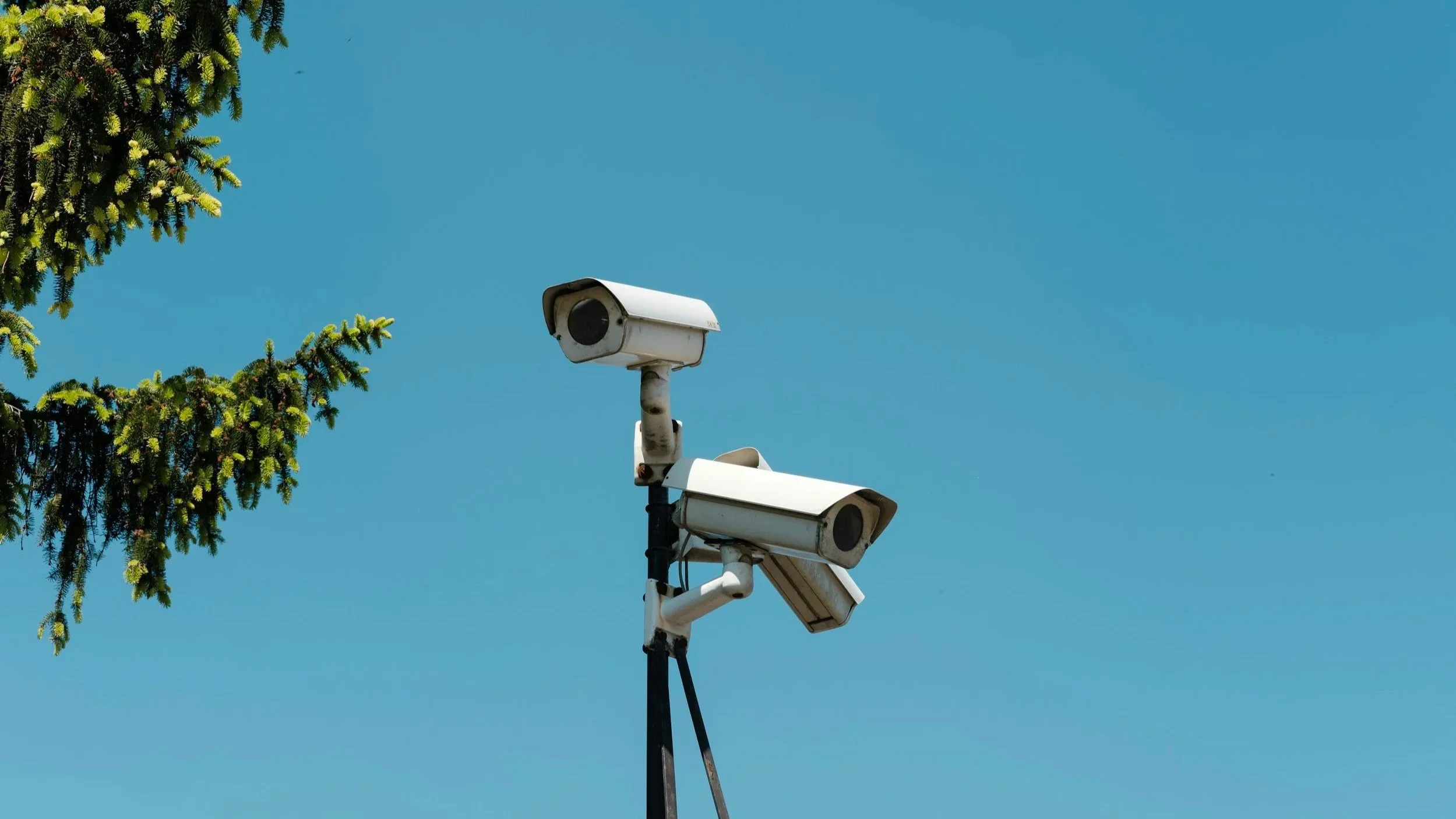
The Benefits of CCTV for Commercial Properties
Investing in commercial CCTV provides substantial returns in various areas. The immediate and most apparent benefit is crime prevention. Visible cameras deter potential intruders and internal theft, providing a significant psychological barrier. Furthermore, high-quality recordings provide invaluable evidence for law enforcement, aiding in the investigation and prosecution of criminal activities.
Beyond security, these systems play a crucial role in enhancing operational efficiency. For instance, in manufacturing or warehousing, surveillance can be used to monitor production lines, ensuring safety protocols are followed and identifying bottlenecks. In retail, it can provide insights into customer flow and service quality. The overall benefits of CCTV for commercial properties contribute to a safer, more efficient, and more accountable work environment.
Choosing the Best CCTV Systems for Businesses UK
Selecting the right system involves considering several factors specific to the UK market and the property's needs. Key considerations include camera type (e.g., dome, bullet, PTZ), resolution (HD or 4K), and storage solutions (on-site NVR/DVR or cloud-based).
For many UK businesses, a system that offers remote access via a secure app is essential, allowing owners or managers to monitor their property from anywhere. Look for systems with features like infra-red night vision, weather-proofing (IP rating) for outdoor cameras, and intelligent analytics such as motion detection or facial recognition. Reputable providers often offer tailored packages, helping you find the best CCTV systems for businesses UK that comply with local data protection regulations.
Installing Surveillance Cameras in Commercial Buildings
Proper installation is paramount to maximising the effectiveness of your business surveillance. A professional security survey should be conducted to identify vulnerable areas, entry points, and high-value assets. Strategic placement ensures maximum coverage and minimises blind spots.
When installing surveillance cameras in commercial buildings, consider the angle and height to prevent tampering and ensure clear field of view. All wiring should be discreet and secured. It's also vital to ensure all systems comply with the General Data Protection Regulation (GDPR) regarding data storage, retention, and the use of appropriate signage informing individuals they are being recorded. Choosing certified installers guarantees a compliant and robust setup.
To ensure your business remains secure and operates at peak efficiency, get in touch today to discuss the ideal commercial CCTV system for your premises.
Frequently Asked Questions
-
The retention period varies, but in the UK, businesses must adhere to GDPR. Footage should only be kept for as long as necessary for the purpose it was collected, which is typically between 30 and 90 days, unless required for an ongoing investigation.
-
Yes. Clear and visible signage is a legal requirement under UK data protection law. The signs must inform people that CCTV is in operation and state who is responsible for the system.
-
Yes, most modern business surveillance systems offer secure remote access via a smartphone app or web portal, allowing authorised personnel to view live and recorded footage from virtually anywhere.
-
Analogue systems transmit signals over coaxial cables and often have lower resolution. IP (Internet Protocol) systems transmit digital signals over a network, offering much higher resolution, intelligent features, and easier scalability, making them the preferred choice for new commercial CCTV installations.
-
Outdoor cameras must be placed to minimise surveillance of public areas and neighbouring private property, focusing primarily on your commercial property's boundary. Compliance with planning permissions may also be necessary in some locations or for listed buildings.