
Home Battery Storage: Your Key to Energy Independence and Lower Bills
For homeowners across the UK, achieving true energy independence and significantly reducing electricity bills is a top priority. While installing solar panels is a fantastic first step, adding home battery storage is the crucial next step in creating a fully optimised residential energy system. A battery storage system allows you to capture and store electricity generated during the day or purchased at cheap off-peak times, ready for use when you need it most—even during a power cut. This article will explain the multiple advantages of residential energy storage, focusing on maximising solar self-consumption, providing reliable backup power, and ultimately reducing your reliance on expensive grid electricity.
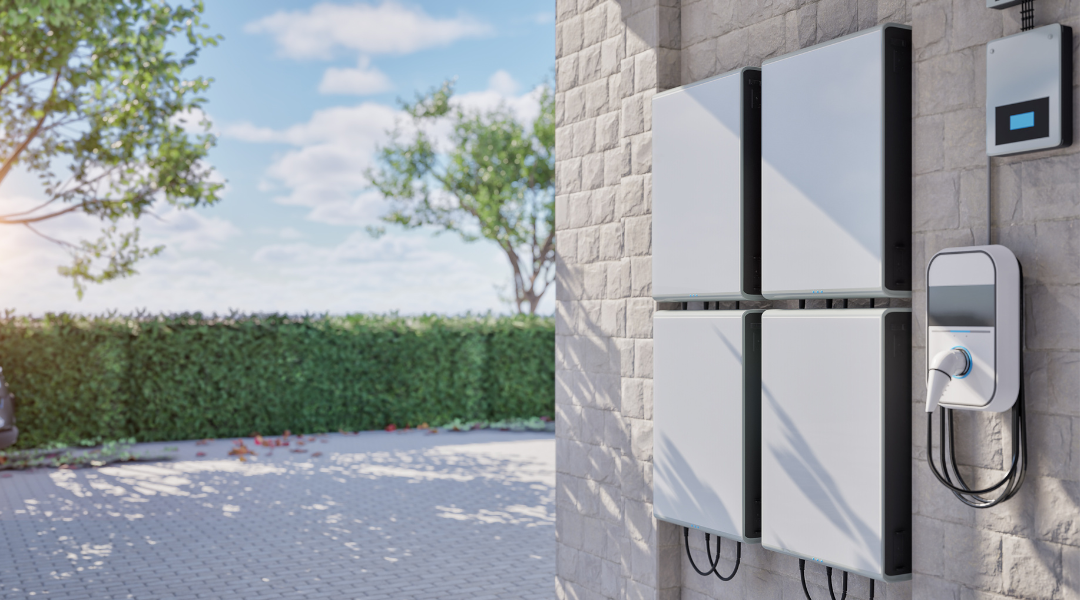
The Benefits of Home Battery Storage Systems UK
The fundamental role of home battery storage is to make the energy you generate or purchase work harder for you. This transition from being merely a consumer to an energy manager offers several powerful advantages.
Maximise Solar Self-Consumption: Without a battery, any surplus solar energy your panels generate is exported to the grid, often for a minimal payment. A battery allows you to store this free, clean energy and use it in the evening when grid electricity prices are highest, drastically increasing your energy self-sufficiency.
Reliable Backup Power: With an increasing number of power outages, a residential energy storage system provides essential peace of mind. In the event of a blackout, your battery can seamlessly switch to providing power to selected circuits in your home, safeguarding essential appliances and lighting.
Reduced Reliance on Grid Electricity: By storing and using your own energy, you are less exposed to fluctuating and rising electricity prices. This is one of the most compelling benefits of home battery storage systems UK for long-term financial planning.
Solar Battery Storage for Homeowners: Optimising Your Investment
Adding a battery to your solar photovoltaic (PV) system is the best way to realise the full potential of your solar investment. It turns your daytime generation into nighttime consumption, ensuring every kilowatt-hour (kWh) your panels produce is put to good use.
For homeowners, selecting the right setup is key. Consider the capacity you need based on your electricity usage and the output of your solar array. Most modern battery systems are modular, allowing for future expansion should your energy needs change.
How to Choose a Home Battery for Solar
Choosing the right home battery storage system can seem complex, but focusing on a few key criteria will simplify the process.
Usable Capacity: The amount of energy (in kWh) the battery can reliably store and deliver.
Power Rating: The maximum amount of power (in kilowatts/kW) the battery can deliver at any one time.
Warranty: Look for long-term warranties that guarantee a minimum capacity retention over a set number of years or cycles.
Integration: Look for long-term warranties that guarantee a minimum capacity retention over a set number of years or cycles.
Consider a consultation with an accredited installer who can perform a detailed energy audit of your home. They can advise on the optimal size and brand, answering your questions about how to choose a home battery for solar based on UK regulations and your specific property layout.
By installing residential energy storage, you are making a critical move towards a more sustainable and financially secure home. It’s an investment that pays dividends through lower bills and greater energy security. To start exploring the benefits of home battery storage systems for your property and to get an accurate quote tailored to your home's energy profile, get in touch today for a consultation and site survey.
Frequently Asked Questions
-
The primary benefits include maximising the use of your self-generated solar power (solar self-consumption), providing automatic backup power during grid outages, and reducing the amount of high-cost electricity you need to buy from the grid.
-
Most existing solar PV systems can be retrofitted with a battery. This often involves installing an AC-coupled battery or replacing the current inverter with a hybrid model. Your installer can confirm the best solution for you.
-
This depends on the battery's usable capacity and your home's energy consumption during the outage. A typical system can power essential loads (lights, fridge, Wi-Fi) for 8 to 12 hours, while larger systems can last significantly longer.
-
The total cost varies significantly based on the battery's capacity, the complexity of the installation, and the brand chosen. However, the long-term savings on electricity bills and potential for earning via smart tariffs mean the payback period is continually improving.